Executive Summary
Quick Answer
Is double trigger the same for IPO and M&A?
Not necessarily—your plan defines the corporate event and the employment event. An IPO may be included or excluded depending on drafting; M&A definitions often reference mergers or asset sales.
Source: Plan document
Quick Answer
Why do RSU taxes differ between IPO and M&A?
Tax timing follows settlement and plan terms: RSUs are generally ordinary income when shares deliver. Acceleration can bunch income into a high-tax year—model withholding.
Source: IRC Section 83 basics
Quick Answer
Where should I start reading?
Our vesting acceleration guide explains single vs double trigger mechanics; pair with the M&A equity guide for transaction types.
Source: Internal guides

Figure 1: Two conditions—verify definitions in your grant.
Comparison Table (Typical Patterns)
| Dimension | IPO path | M&A path |
|---|---|---|
| Liquidity | Lockup delays selling | May be cash or stock consideration |
| Employment | Often continues | May end or relocate |
| Award handling | May convert to public RSUs | May be assumed/cashed out |
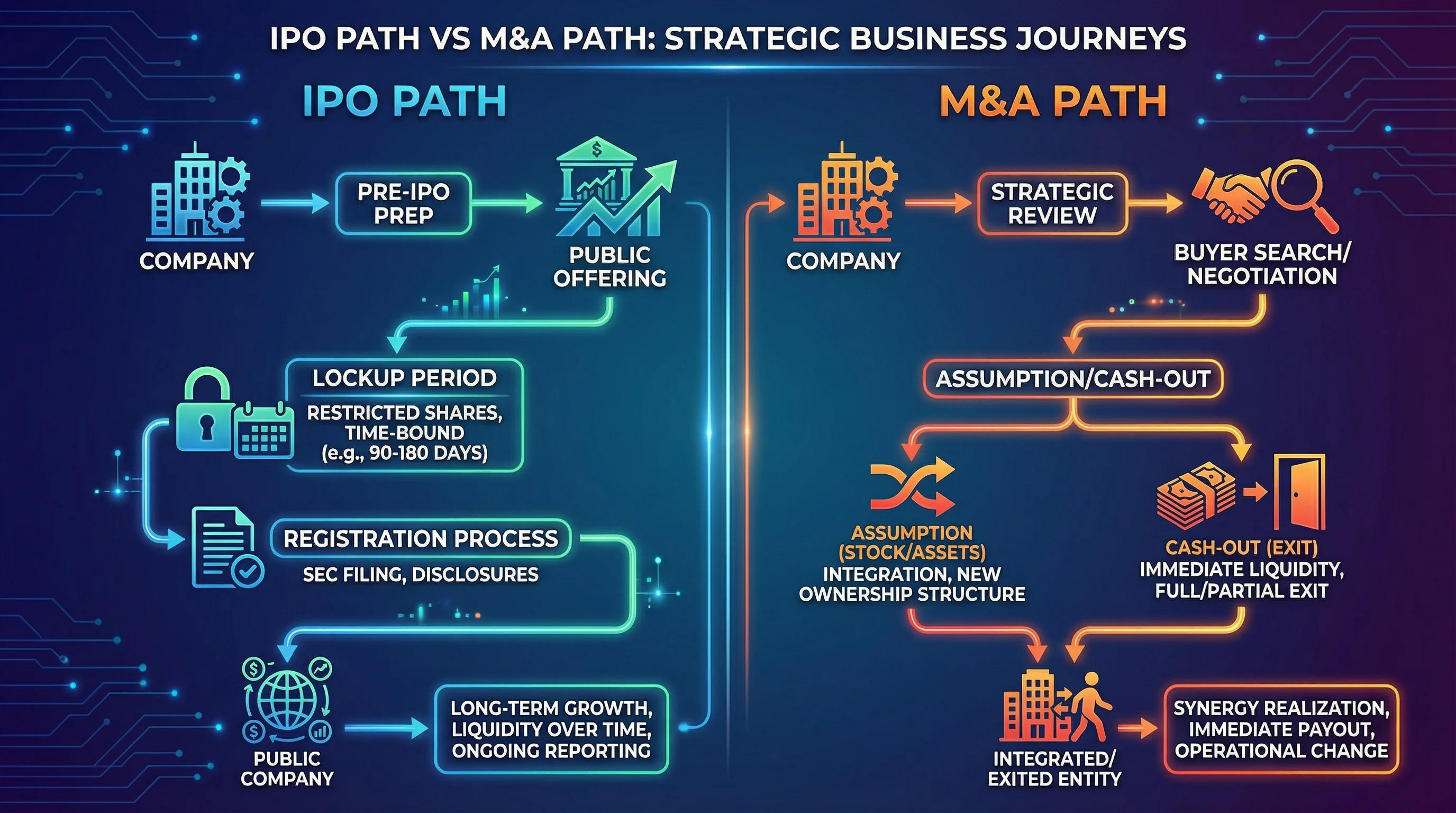
Figure 2: Liquidity and settlement paths differ materially.
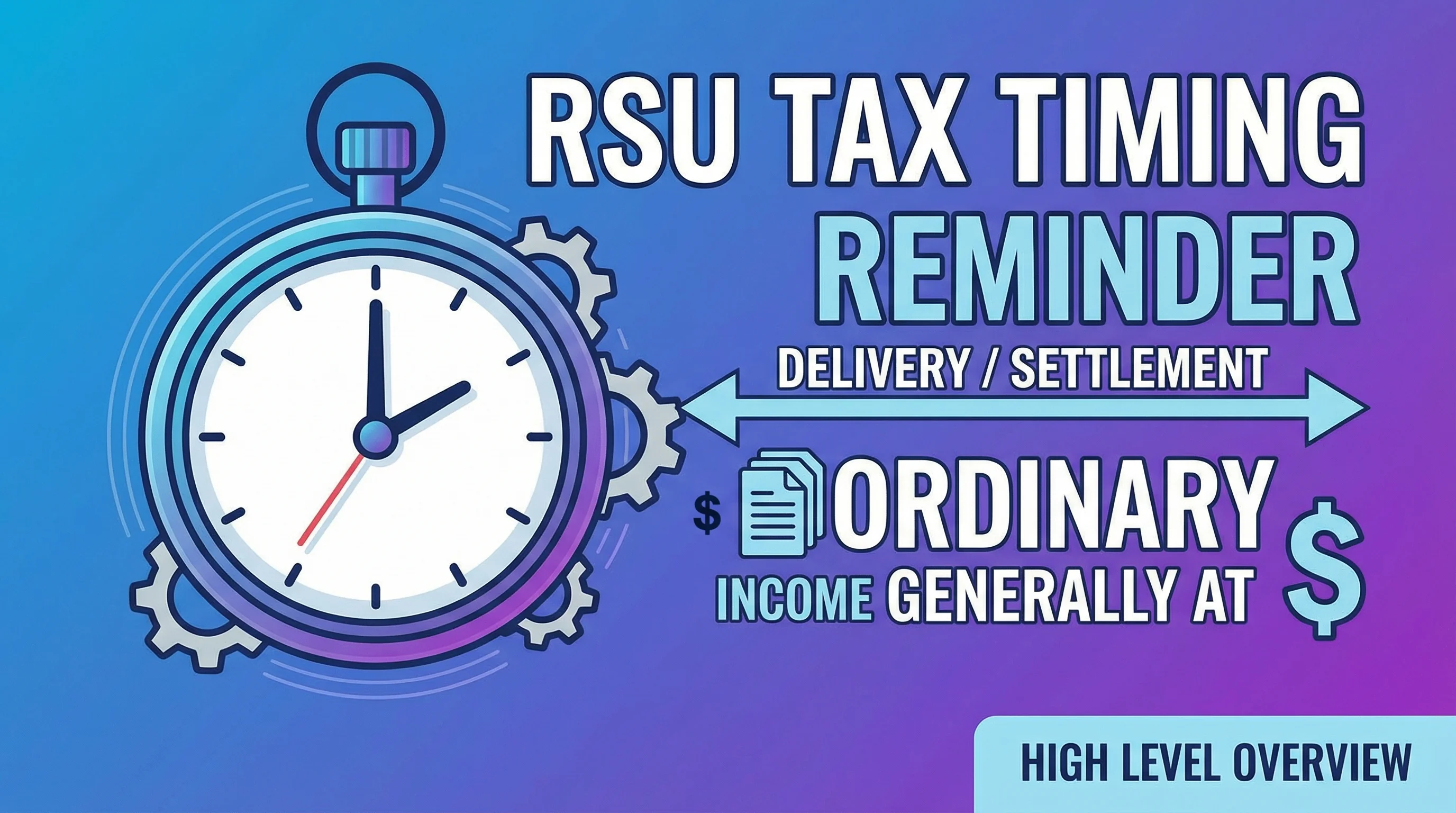
Figure 3: Tax timing follows facts—acceleration can bunch income.
Related guides
Disclaimer
Educational—not legal advice.
Primary sources
| Source | URL |
|---|---|
| Investor.gov — IPO | https://www.investor.gov/ipo |